
What is B2C e-commerce?
B2C e-commerce Stands for business-to-consumer: as a company, you sell directly to individual customers through an online store or platform. Think of a clothing brand that sells through its own website, or an electronics store on Bol.com. B2C differs from B2B (business-to-business)—where you supply other companies—in a number of key ways. This difference has direct implications for your logistics and customs processes, especially if you sell internationally.
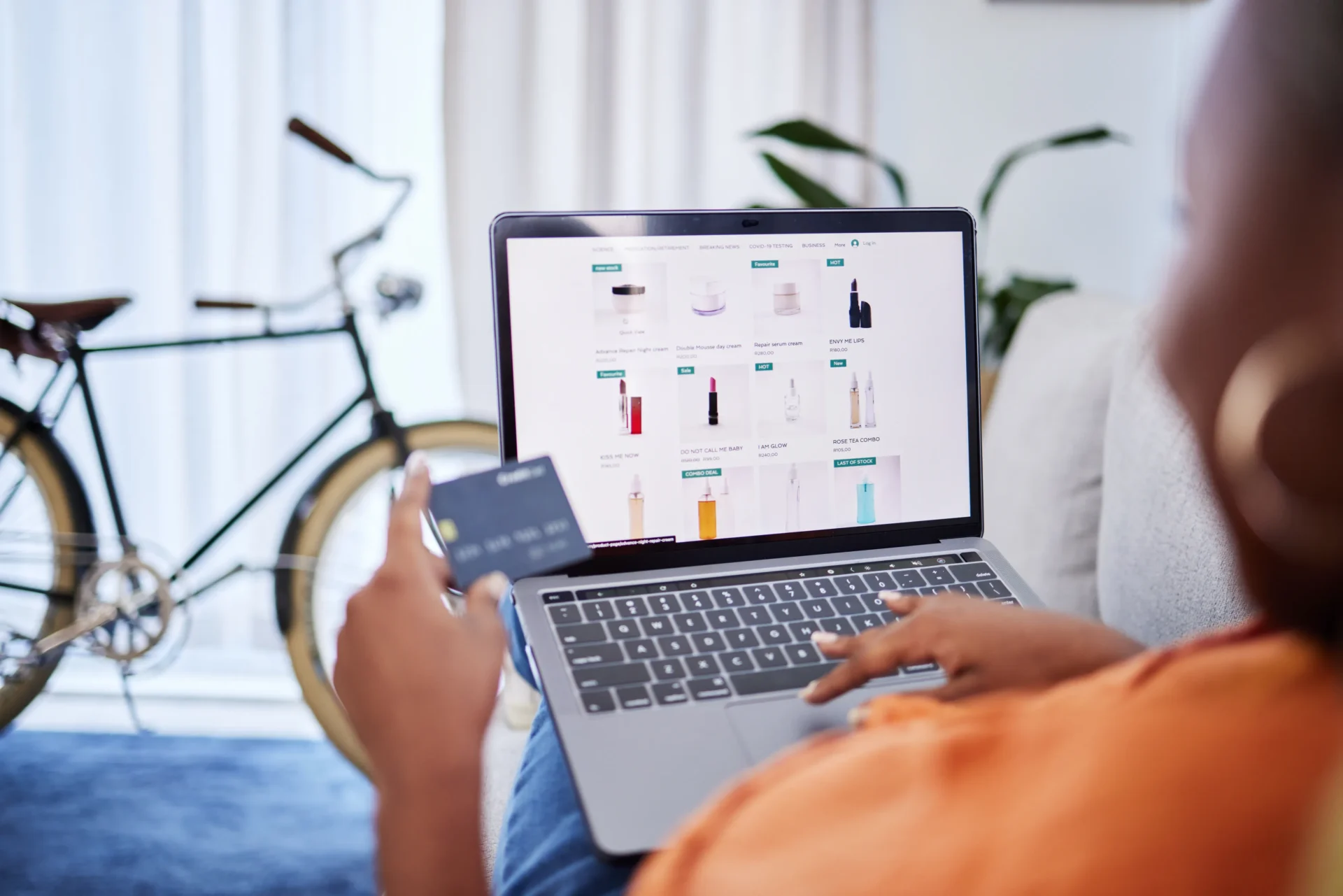
What is B2C e-commerce?
In B2C e-commerce, a consumer purchases a product directly from your company, usually through a web store, marketplace, or app. These tend to be smaller orders—often one to a few items per order—with a high number of transactions per day. The customer pays directly online and expects fast delivery. Other characteristics include a lower average order value than in B2B, many recurring small shipments, and a strong focus on customer experience: track & trace, return policies, and clear communication about costs.
B2C vs. B2B: The Differences
The approach to B2C and B2B differs in several ways, from customer relations to documentation. In practice, both models often coexist within a single company—for example, a wholesaler that also operates its own consumer-facing online store.
| Characteristic | B2C | B2B |
|---|---|---|
| Customer | Individual | Another company |
| Order Size | Small, usually 1–3 items | Large, often bulk shipments |
| Frequency | High number of individual orders | Fewer orders, larger orders |
| Documentation | Invoice, sometimes a simplified tax return | Complete commercial invoice, packing list, certificate of origin |
| Customs Clearance | Often through a consolidated return or platform arrangement | Individual declaration per shipment |
| Payment of Import Duties | Often by the consumer upon delivery | Arranged in advance between trading partners |
What does B2C mean for your customs process?
The main difference from B2B lies in the scale and speed. In B2C, you process many small shipments instead of a few large ones, which requires an efficient and automated customs declaration process. For shipments from outside the EU, the new EU e-commerce rules stipulate that import duties are calculated per shipment, even if the value falls below the old €150 exemption threshold. In practice, we often see that online retailers have their logistics partner or customs broker bundle the declarations, so that each individual shipment does not have to be processed separately. This saves time and prevents delays for the customer.
Another difference is who is responsible for import duties. In B2B transactions, trading partners often specify this in advance in the contract, whereas in B2C transactions, the consumer is often billed directly by the carrier at the time of delivery. This can lead to surprises if it is not clearly communicated on the online store.
B2C and Cross-Border Sales
If you’re a B2C online store that also sells to customers in other countries, there are additional considerations to keep in mind: country-specific VAT rules, product requirements, and choosing the right shipping channel. We cover this topic in detail on our page about cross-border e-commerce, including a real-world example of an online store expanding into international markets.
ECC helps with your B2C order fulfillment
Do you handle a lot of small B2C shipments and want the process to run smoothly and predictably? We handle the customs clearance for your e-commerce shipments, from consolidated declarations to individual declarations for higher-value shipments. Check out our e-commerce services to see what we offer.
Frequently Asked Questions About B2C E-commerce
What exactly does B2C mean?
B2C stands for business-to-consumer: sales by a company directly to a private customer. This is in contrast to B2B, in which companies do business with one another.
What is the biggest difference between B2B and B2C in practice?
In B2C, you process many small, individual shipments with a lower average value. In B2B, there are fewer but larger shipments, each with more extensive documentation per order.
Can a company engage in both B2C and B2B sales?
Yes, that happens often. For example, a manufacturer may supply wholesalers (B2B) and also sell directly to consumers through its own online store (B2C).
Do I always have to pay import duties for B2C transactions?
For imports from outside the EU, most shipments are subject to import duties, even if they are under €150. The amount depends on the product category and value. You can find more information on our page about customs clearance fees.
Will customs procedures change if I start selling internationally?
Yes, if you sell across borders, you’ll have to deal with additional rules regarding VAT and, in some cases, product requirements. We’d be happy to review your specific situation.
Other knowledge base articles
September 1, 2026
IOSS
IOSS stands for Import One Stop Shop: the VAT scheme for e-commerce shipments valued at up to €150 that originate from outside the ...
July 27, 2026
Clearing fees
Customs clearance fees are the fees you pay when a package from outside the EU enters the Netherlands. They consist of three ...
July 27, 2026
Rail Freight
Rail freight is growing as an alternative to sea and air freight, especially on the route between China and Europe. The train is faster ...