EFTA countries
The European Free Trade Association (EFTA) is a trade organization made up of Norway, Iceland, Switzerland and Liechtenstein. These countries are not EU members, but maintain strong trade relations with the EU through the European Economic Area (EEA) or bilateral treaties. EFTA cooperation focuses on reducing trade barriers and harmonizing regulations, facilitating international trade and logistics.
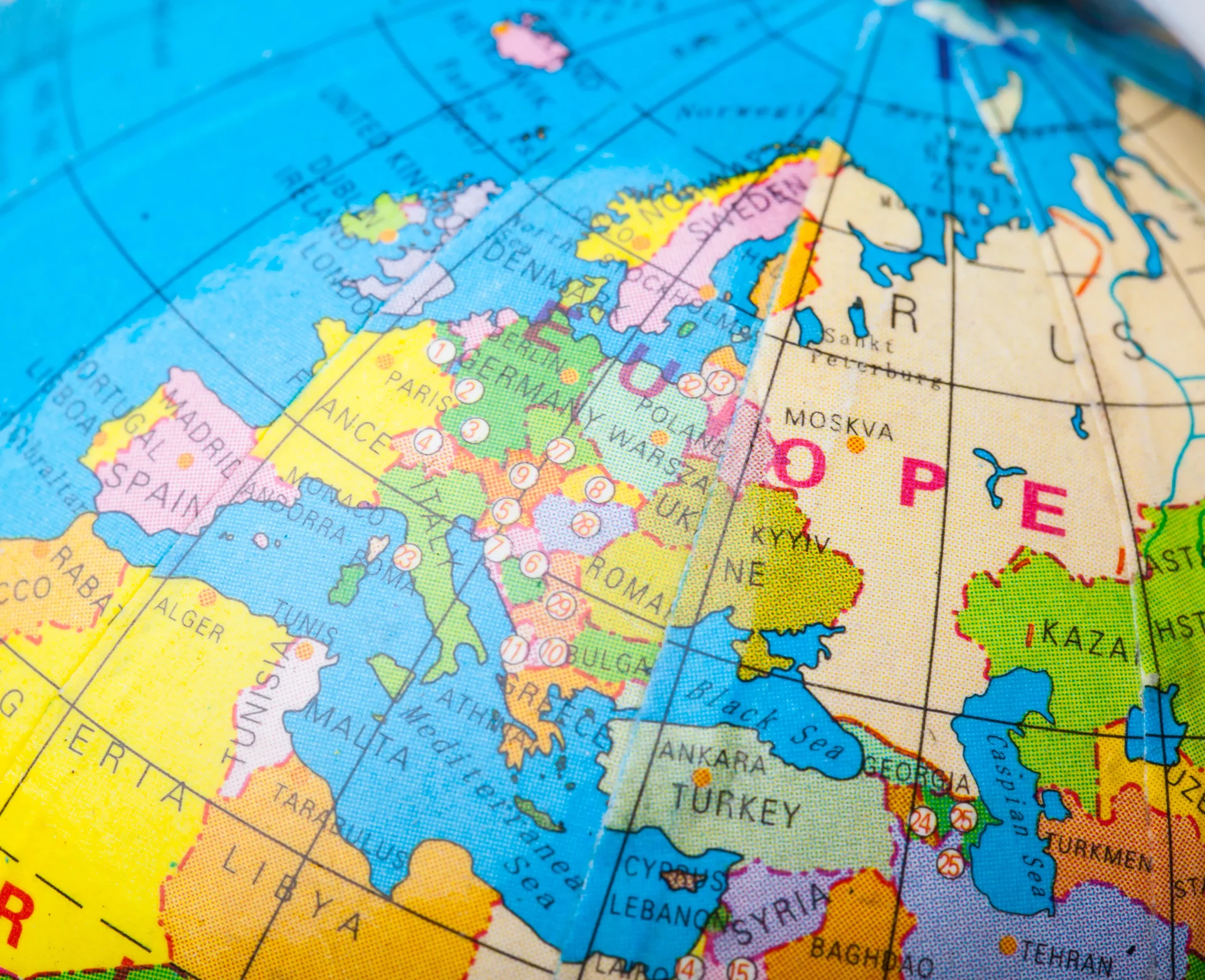
What are the EFTA countries?
The European Free Trade Association (EFTA) is an international organization created to promote trade and economic cooperation between European countries without being members of the European Union (EU). EFTA countries work closely together to support free trade, allowing both businesses and the logistics industry to benefit from standardized rules and simpler transportation options.
Overview of EFTA (European Free Trade Association).
History of the EVA
EFTA was founded in 1960 as an alternative to the European Economic Community (EEC), the forerunner of the EU. While the EEC focused on greater economic integration, EFTA opted for less intensive cooperation in which countries remained independent in their trade policies but benefited from mutual advantages in trade.
Purpose and function of the EVA
EFTA's goal is to promote economic growth by minimizing trade barriers between member countries. This includes reducing import tariffs and standardizing regulations to support more efficient international transportation. EFTA often cooperates with the EU, resulting in harmonization of standards without EFTA countries losing their autonomy.
Which countries belong to EFTA?
The current members of EFTA are Norway, Iceland, Switzerland and Liechtenstein. Although these countries are not members of the EU, they maintain strong trade relations and have access to the European single market through specific agreements.
Characteristics of the EFTA countries
EFTA countries each have their own economic policies, but share a commitment to open and transparent trade. This makes them attractive to international trading partners, especially since they often offer competitive terms compared to EU countries. This gives companies more flexibility in choosing trading partners and routes.
Relations between EFTA countries and the European Union
Through the European Economic Area (EEA), Norway, Iceland and Liechtenstein can participate in the EU market, while Switzerland enjoys trade benefits through bilateral treaties. These relationships allow goods to circulate more freely between EU and EFTA countries, which has a positive effect on transportation efficiency.
Looking for support to make the right decision or want more information?
If so, please contact us. One of our specialists will be happy to help you further.
What is the importance of EFTA countries for international trade?
EFTA countries regularly conclude trade agreements with other countries and economic blocs, providing lower tariffs and better access to international markets. For businesses, this means easier access to raw materials, products and markets.
In EFTA countries, sectors such as chemicals, industry, energy, and food play a major role. Especially in the logistics sector, much attention is paid to efficiency and the adoption of standardized processes, allowing companies in these countries to move their goods faster and cheaper.
Benefits for transport and logistics in EFTA countries
Because EFTA countries have standardized rules aligned with EU standards, logistics companies can benefit from simplicity in transportation processes. This reduces costs and improves turnaround time for goods shipped to or from EFTA countries.
The CEVA Countries
Curious about the role of CEVA countries in international trade? Discover how cooperation between Central and Eastern European countries through CEVA has contributed to their economic integration and access to the European market.
Comparison with EU transport rules
Although the EU and EFTA differ in several respects, transport regulations are often aligned, resulting in smooth cooperation and standardization. This prevents additional customs checks and administrative burdens, and ensures that maritime transport between these areas is efficient and without unnecessary interruptions.
Frequently asked questions about EFTA countries
What does the abbreviation EVA mean and what does it imply?
EVA stands for European Free Trade Association and comprises a group of European countries that seek free trade without being members of the EU. They are working together on standardized rules and easier transportation options.
Which countries are EFTA and what is their relationship with the EU?
The EFTA countries are Norway, Iceland, Switzerland and Liechtenstein. Although they are not part of the EU, they have strong economic ties and access to the EU market through specific treaties.
Why are EFTA countries important for trade and logistics?
EFTA countries have standardized rules and free trade agreements that allow goods to move faster and cheaper. This promotes efficiency in logistics and lowers costs.
What are the benefits of transportation and logistics in EFTA countries?
Trade agreements and aligned regulations allow goods to cross borders without barriers, contributing to cost savings and predictability in transportation.
Other knowledge base articles
IOSS

Clearing fees