
Customs clearance
Customs clearance in the Netherlands means that you officially release goods into free circulation in the EU. You file an import declaration, pay any import duties and VAT, and wait for release by the Customs. The basis of correct clearance lies in three pillars: correct HS classification, correct customs value and correct origin. With a complete file and a reliable EORI number, clearance is often the same day. Depending on selectivity, a physical or document check may require additional time. You can self-declare or work with a customs representative.
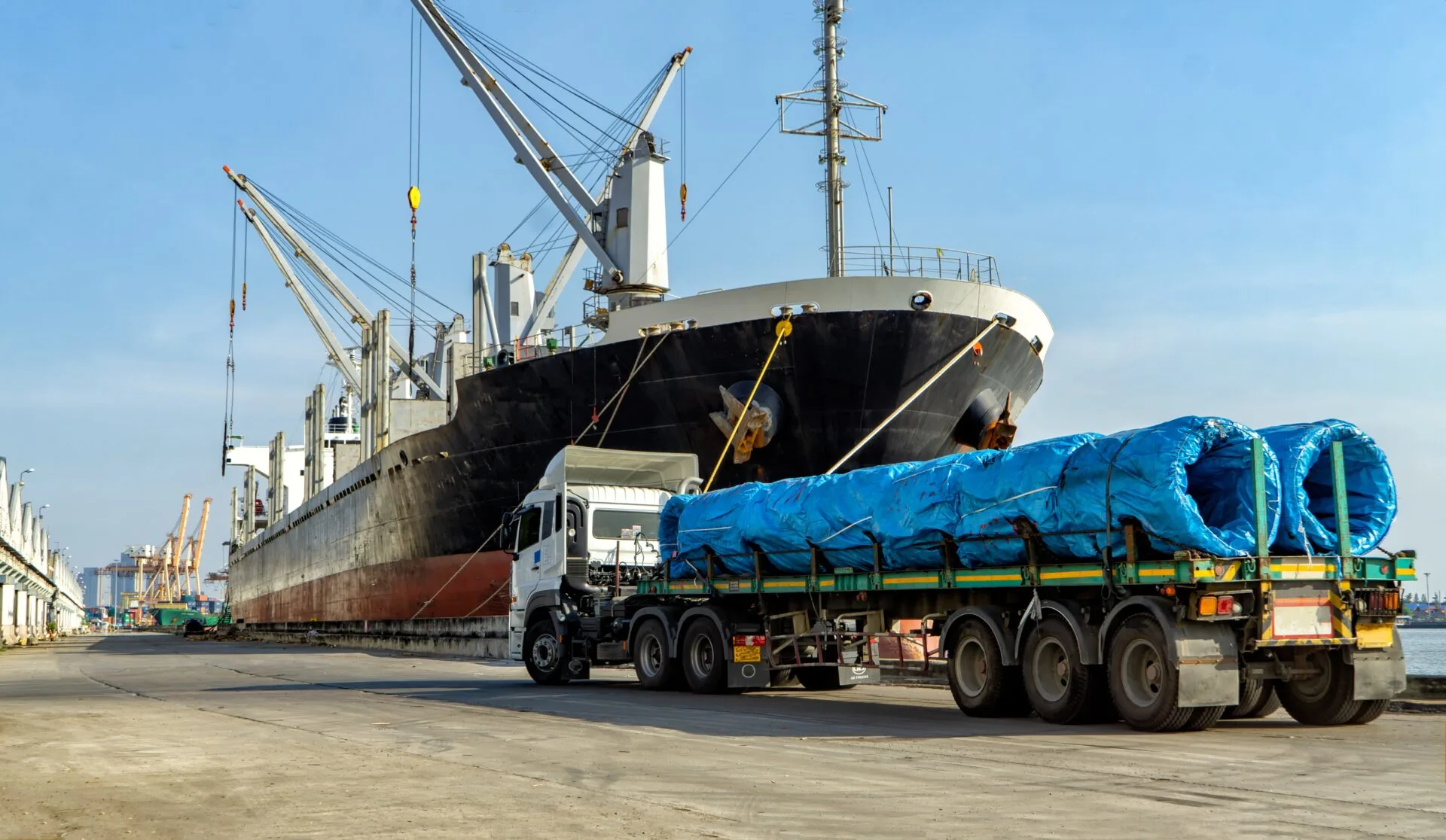
What does customs clearance mean in the Netherlands?
With a final import, goods become part of EU goods traffic after release. The declaration goes through DMS and is assessed for risks by Customs. After submission, a selection decision follows: green means immediate release, yellow a document check and red a physical check. You pay import duties and VAT based on the customs value and applicable rate. With a valid VAT reverse charge regulation, you can possibly reverse the import VAT to your sales tax return. Different regimes than customs clearance apply for transit, temporary importation or storage. If you are in doubt about the correct regime, document your situation in advance to avoid unnecessary duties and delays.
Required documents and data
Smooth customs clearance begins with complete and consistent documentation. Consider the commercial invoice with terms of trade, packing list, shipping documents such as AWB or B/L, proof of origin where necessary and any permits or certificates. Make sure HS codes, quantities, gross and net weights and Incoterms match in all documents. Missing or conflicting data almost always leads to questions, audits and additional costs.
Process steps and lead time
The process is broadly as follows: Beforehand, you collect data and determine the correct tariff classification and origin. Then the declaration is submitted in DMS with attachments and references to the shipment. Customs performs a risk analysis and communicates the selection result. If it is green, the shipment is released and you can deliver. If yellow or red, you supply additional information or wait for inspection. The turnaround time varies from a few hours to 1 to 2 working days, depending on how busy it is, the completeness of your file and any inspections. Good preparation and clear communication with your logistics service provider will reduce waiting time at the terminal and prevent standing charges.
Sample calculation of import duties and VAT
The calculation below shows how duties and VAT are arrived at based on customs value and tariff.
| Step | Calculation | Example |
|---|---|---|
| 1 | Import duties = customs value × tariff | €8,000 × 4% = €320 |
| 2 | VAT base = customs value + duties + costs up to EU border | €8.000 + €320 + €0 = €8.320 |
| 3 | Import VAT = VAT base × VAT rate | €8,320 × 21% = €1,747.20 |
If you have a valid reverse charge mechanism, then you do not pay the import VAT to Customs, but instead reverse charge it to your VAT return.
Representation and responsibilities
You can declare yourself or work with a representative. When clearing through direct representation, the representative files the declaration in your name and you remain liable for duties and VAT. At indirect representation the representative acts in his own name on your behalf and shares liability. It is important that powers, warranties and instructions are governed by contract. Find out what conditions and powers apply at the requirements for customs representation. This ensures that your returns are substantively correct and run smoothly operationally.
Special situations: formalities and arrangements
Not every shipment requires direct customs clearance. Sometimes transit through NCTS, temporary importation or storage in a customs warehouse More efficient to control cash flow and duties. In a bonded warehouse, you don't pay until exit to free circulation. If your shipment comes in multimodal or with additional requirements, also coordinate security and transport formalities. An overview of procedures can be found at customs formalities for transportation of goods. ECC helps you choose the right route, including necessary permits and compliance agreements.
Contact us for advice on your customs clearance process or request a quote directly. We arrange it completely, from file check to release.
Frequently asked questions about customs clearance
What exactly does customs clearance in the Netherlands mean?
Customs clearance in the Netherlands is the formal release of imported goods for EU market traffic. You file an import declaration, pay any import duties and VAT, and receive clearance from Customs. Then you can deliver or further process the goods.
What documents do I need for customs clearance?
At a minimum, you need a commercial invoice, packing list, shipping document, HS code, EORI number and, where necessary, proofs of origin and licenses. The data must be consistent or you risk audits and delays.
How long does customs clearance take on average?
With complete files and green selection results, release can occur within a few hours. With document control or physical inspection, you must allow for an additional 1-2 business days, depending on crowding and terminal availability.
What does customs clearance cost and how do I calculate it?
The cost consists of import duties at the rate on your HS code and import VAT at the VAT base. The example above shows how to calculate duties and VAT. Any inspection, demurrage and services from your representative are in addition.
Do I need a customs representative for customs clearance?
You may self-refer if your knowledge, systems and warranties are in order. Many companies choose direct or indirect representation because of knowledge, capacity and division of liability. Check the conditions in the requirements for customs representation and put arrangements in contract.
Other knowledge base articles

January 22, 2026
T2L document
A T2L document is the customs document you use to prove that goods have Union status. This proof is needed when Union goods ...

December 17, 2025
Export document
An export document is the official export declaration that allows you to legally export goods from the EU. You need it as soon as EU goods leave the ...

December 17, 2025
EAD document
The EAD document is the Export Accompanying Document that accompanies your goods when they are exported from the EU. After submission ...