
Transporting excise goods
Excisable goods, such as alcohol, tobacco and fuels, are subject to specific regulations when imported, stored and transported. Upon importation, these goods must be declared to customs, with excise duty levied based on type and quantity. Storage requires a permit for an excise warehouse (AGP), and the goods must be accurately registered. Intra-EU transportation can take place under an excise duty suspension arrangement, whereby payment of excise duty is deferred until consumption or use.
What are excise goods?
Excisable goods are products subject to excise, a special tax. This tax is designed to discourage the consumption of certain goods and to generate revenue for the government. Here are some examples of excisable goods:
- Alcoholic beverages: This includes beer, wine, spirits and other alcoholic beverages.
- Tobacco products: This includes cigarettes, cigars, pipe tobacco and other smoking tobacco.
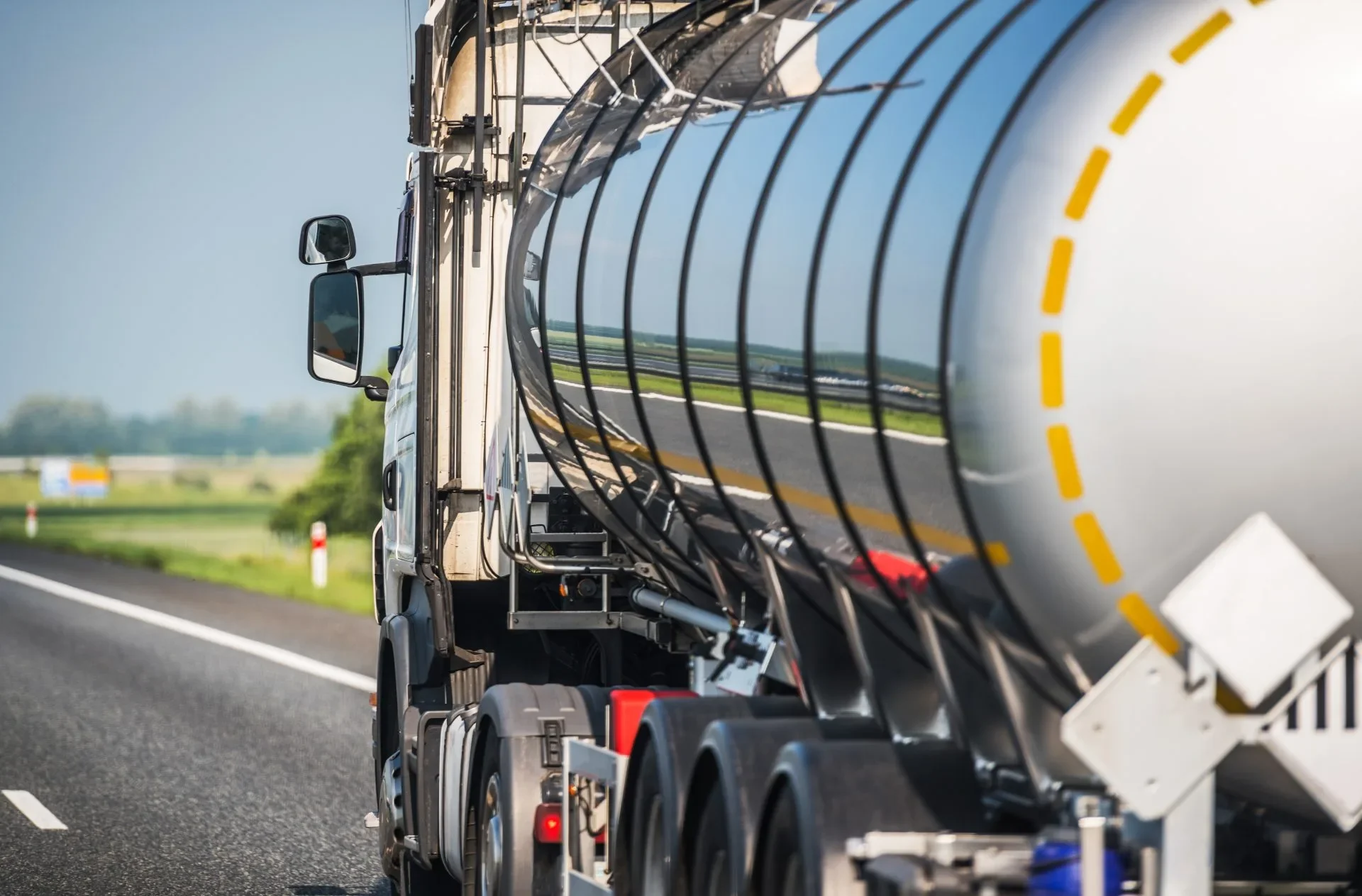
- Fuels: Excise goods can also cover fuels, such as gasoline, diesel, LPG (liquified petroleum gas), and other forms of fuel.
- Energy products: Some energy products, such as electricity, coal, petroleum and natural gas, may also be subject to excise taxes.
The specific rate and levy of excise taxes may vary depending on the country and its regulations. It is important to consult the specific rules and rates of the particular country when transporting excisable goods.
Looking for support to make the right decision or want more information?
If so, please contact us. One of our specialists will be happy to help you further.
Import of excisable goods
When importing excisable goods, the goods are brought into the Netherlands from another country. Excisable goods include alcoholic beverages, tobacco products and fuels. The importing these goods is subject to excise tax, which is a form of taxation. Excise tax is levied based on the quantity and type of excisable goods imported.
Specific rules and procedures apply to the importation of excisable goods. When importing, the excisable goods must be declared to customs. This means that the importer must declare the goods and pay the excise duty due. In addition, the goods must comply with legal requirements and regulations, such as labeling and packaging.
To import excisable goods, the importer must often have a permit. This permit can be obtained from the Customs Service. The permit holder is responsible for complying with excise obligations and must periodically file excise tax returns.
Storage of excisable goods
Specific rules and procedures must be followed when storing excisable goods. An excise warehouse holder (AGP) permit is required to store excise goods. The storage facility must meet legal requirements and be secure. Excisable goods must be identified, registered and accurately tracked. Regular excise declaration and payment to customs are mandatory. Traceability and records of all movements of excisable goods are essential.
Frequently asked questions about excise goods
What is an Excise suspension scheme?
An Excise Suspension Arrangement is an arrangement whereby the payment of excise duty on certain goods is deferred until consumption or use. This means that the goods are stored under the supervision of Customs without having to pay excise duty. Once the goods are consumed or used, excise duty will still be charged.
What is the difference between excise tax and consumption tax?
Excise and consumption taxes are both forms of tax levied on the consumption or use of certain goods. The main difference between the two is the type of goods to which they apply.
Other knowledge base articles

January 22, 2026
T2L document
A T2L document is the customs document you use to prove that goods have Union status. This proof is needed when Union goods ...

December 17, 2025
Export document
An export document is the official export declaration that allows you to legally export goods from the EU. You need it as soon as EU goods leave the ...

December 17, 2025
EAD document
The EAD document is the Export Accompanying Document that accompanies your goods when they are exported from the EU. After submission ...